 how-to
How to Plan Landscape Design on a Budget
Last Updated: November 5, 2026
Quick Summary
Landscape design on a budget starts with a plan, not a plant list. Use the 3-5-7 rule to pick three projects you truly want, five you'd like if money allows, and seven you can live without this year, then rank the first three by what fixes a real problem. Build the bones first, add plants in the next season, and save decor and lighting for last.
- Split your total budget into plants and soil, hardscaping and materials, and labor and contingency.
- Buying plants before grading and drainage are settled is the most common cause of budget overruns.
- A quart-size perennial often catches up to a gallon-size plant within a season for a fraction of the cost.
- Group thirsty plants together and dry plants together so fewer irrigation zones are needed.
- Skip the lawn, since turf is the most expensive square footage to keep.
Table of Contents
- Start with a Plan: The 3-5-7 Rule and Budget Tiers for Landscape Design on a Budget
- Simple Landscape Design on a Budget: Pick Plants That Fit Your Sun, Soil, and Water
- Small Landscape Design on a Budget: Make Every Square Foot Work
- Cheap Landscaping Ideas for the Front Yard That Boost Curb Appeal
- Cheap Backyard Ideas With No Grass: Patios, Mulch, and Groundcover
- Schedule a Design Consultation with Ironside Fence & Landscape
- Frequently Asked Questions
Start with a Plan: The 3-5-7 Rule and Budget Tiers for Landscape Design on a Budget
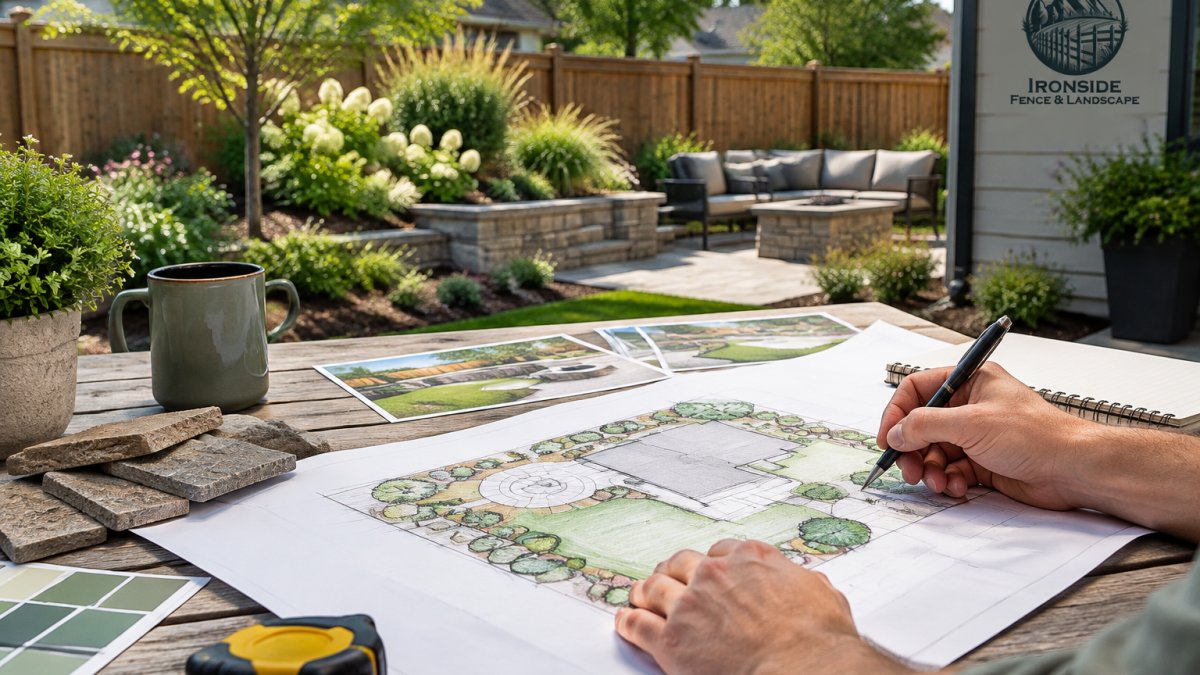
Landscape design on a budget starts with a plan, not a plant list. Many homeowners buy shrubs first and figure out the layout later.
So we use a simple filter we call the 3-5-7 rule. Pick three projects you truly want, five you'd like if money allows, and seven you can live without this year. Then rank the first three by what fixes a real problem.
A muddy path, a bare front bed, and a broken fence line beat a pergola every time. The test is simple: does the project stop further damage, improve drainage, or remove a safety hazard? If yes, it moves up.
Set a Realistic Budget Before You Buy a Single Plant
Start with a total number you can pay without borrowing. Then split it into three buckets:
- Plants and soil: the part most people overspend on
- Hardscaping and materials: pavers, edging, mulch, gravel
- Labor and contingency: keep a cushion for surprises
The exact split matters less than the discipline of writing it down before you shop. That third bucket matters most. Underground surprises, bad drainage, and root damage show up after digging starts. A cushion keeps a small project from stalling halfway.
Prioritize Projects in Phases So You Can Pay as You Go
Phasing is how affordable landscaping actually gets done. Build the bones first: grading, drainage, paths, and beds. Add plants in the next season. Save decor, lighting, and a water feature for last.
A practical sequence looks like this:
- Season one, fix and grade. Correct drainage, repair fence lines, and set bed edges. This is the least glamorous phase and the one that prevents rework.
- Season two, hardscape. Install paths, patios, and edging using one material family so leftovers and offcuts stay usable.
- Season three, plant in layers. Trees and shrubs first, then perennials and groundcover.
- Season four, finish. Mulch, lighting, decor, and any water feature.
This order also spreads cost across months instead of one painful invoice. If you're juggling several trades at once, our guide to managing multiple outdoor contractors without chaos covers scheduling and who owns what.
Watch out: buying plants before grading and drainage are settled is the single most common cause of budget overruns, because water problems kill new plantings and force a second purchase.
Build a Simple Materials List Before You Price Anything
A budget only holds if it is tied to a list. Before you request quotes, write down what each phase needs: square footage of bed area, linear feet of path and edging, number of trees and shrubs, and cubic yards of mulch or gravel. Converting your measurements first lets you compare quotes apples to apples.
Phasing the work lets you pay as you go instead of facing one painful invoice.
| Phase | What to do |
|---|---|
| Season one | Fix and grade: correct drainage, repair fence lines, set bed edges |
| Season two | Hardscape: install paths, patios, and edging in one material family |
| Season three | Plant in layers: trees and shrubs first, then perennials and groundcover |
| Season four | Finish: mulch, lighting, decor, and any water feature |
Simple Landscape Design on a Budget: Pick Plants That Fit Your Sun, Soil, and Water
Simple landscape design on a budget comes down to one rule: right plant, right place. A shrub that wants shade will struggle in full sun no matter what you spend on it, and replacing it next year doubles the cost of that bed.
Assess the Site Before You Shop
Check three things before you buy:
- Sun: count hours of direct light on the spot at mid-morning, midday, and late afternoon. Six or more hours is full sun; three to six is part shade; under three is shade.
- Soil: squeeze a handful of moist soil. Crumbly means good drainage. Sticky and slick means clay, which holds water and rots roots. Gritty means sand, which drains fast and dries out.
- Water: note where water pools after rain and group thirsty plants together so one irrigation zone covers them.
A soil test from your state's cooperative extension service can remove the guesswork on pH and nutrients.
Choose Plants by Cost of Ownership, Not Sticker Price
Native and drought-tolerant perennials are the cheapest plants you'll ever own. They settle in, come back each year, and need less water once established. Mix them with easy-growing groundcover to crowd out weeds.
Examples matched to condition:
- Full sun, dry: coneflower, black-eyed Susan, sedum, lavender
- Part shade: coral bells, foamflower, columbine
- Shade: hosta, fern, wild ginger
Annuals cost less up front but must be replaced every year. Perennials and shrubs cost more at purchase and less over time.
Reduce Replacement Cost With These Habits
- Buy smaller. A quart-size perennial often catches up to a gallon-size plant within a season and costs a fraction as much.
- Group by water need. Hydrozoning, or planting thirsty plants together and dry plants together, lets you run fewer irrigation zones and water less.
- Propagate and divide. Perennials that spread can be divided every few years and moved to new beds instead of bought again.
For a cohesive look across phases, browse these custom backyard retreat design ideas before you commit to a layout.
Small Landscape Design on a Budget: Make Every Square Foot Work
Small landscape design on a budget rewards vertical space and clear edges. A tiny yard feels bigger when you use height and repeat a few materials.
Try these moves:
- Go vertical: a trellis, a stacked planter, or a small pergola adds growing room without footprint
- Repeat materials: one paver type and one mulch color reads calmer than five
- Define zones: a path or edging separates dining from planting
Side yards are the most ignored space on most properties. A narrow gravel strip with pots and shade perennials turns dead space into a usable corridor.
Cheap Landscaping Ideas for the Front Yard That Boost Curb Appeal
Cheap landscaping ideas for the front yard work best when they fix the view from the street.
Start with these:
- Edge beds sharply so lines read clean
- Mulch thickly to hold moisture and hide weeds
- Repeat one plant in groups of three or five
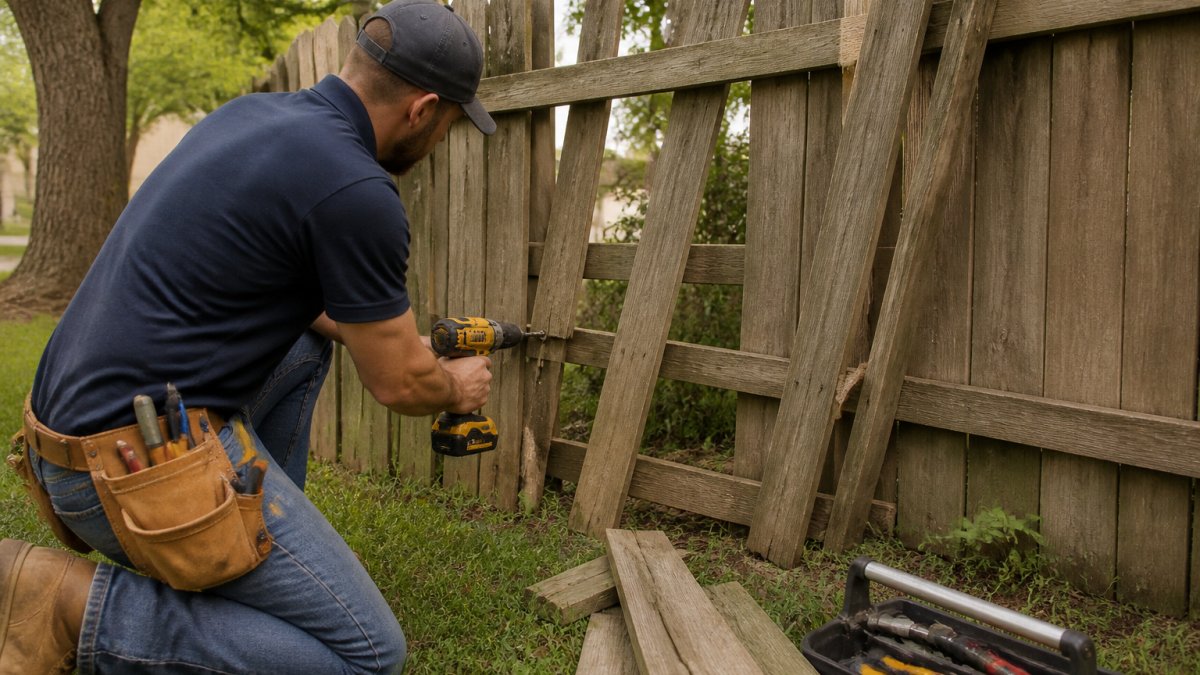
A tired fence drags down every plant in front of it. If yours is leaning or missing boards, repair comes before replanting. The U.S. Department of Agriculture's plant hardiness map helps you confirm what survives winters in your zone before you buy.
Cheap Backyard Ideas With No Grass: Patios, Mulch, and Groundcover
Cheap backyard ideas with no grass cut mowing, watering, and fertilizer out of the budget for good. A gravel or paver patio, mulch beds, and low groundcover do the work turf used to.
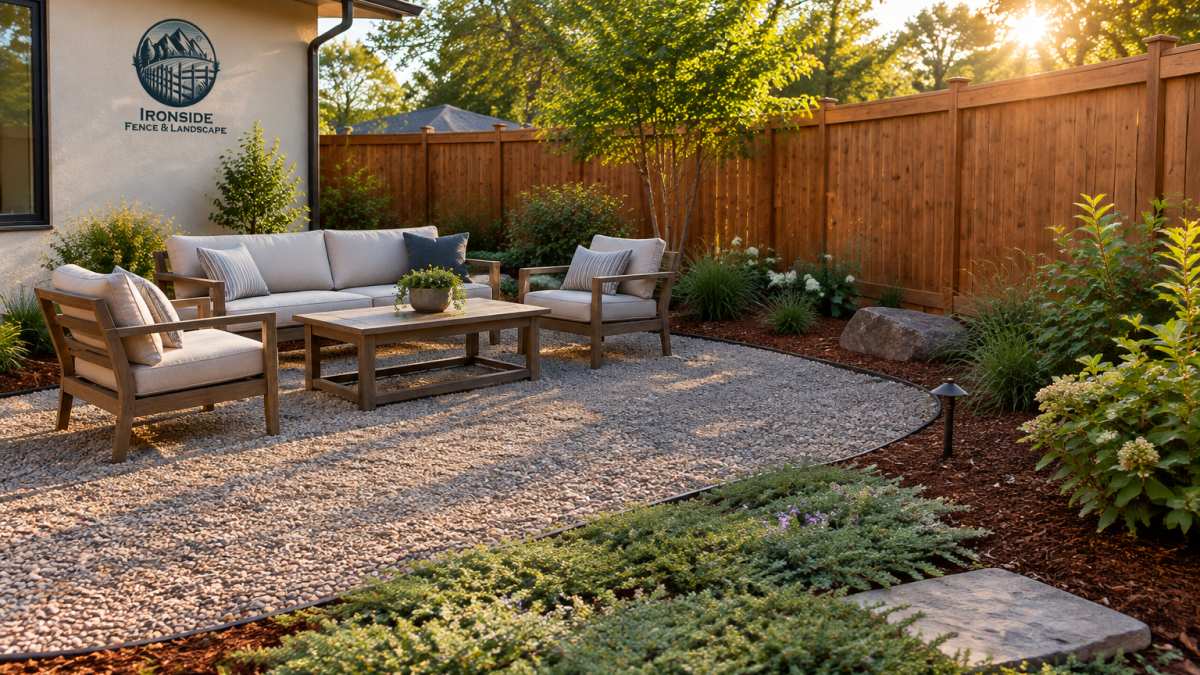
Here's how to keep it affordable:
- Patio: use one paver size and a simple running bond pattern
- Mulch: two to three inches deep, kept back from fence posts and siding
- Groundcover: creeping thyme, sedum, or liriope fill gaps between pavers
For the patio surface, our 12 in. square red paver is a budget-friendly option that pairs with gravel and mulch beds.
One caution: mulch piled against a wood fence holds moisture and shortens its life. Keep a gap.
Schedule a Design Consultation with Ironside Fence & Landscape
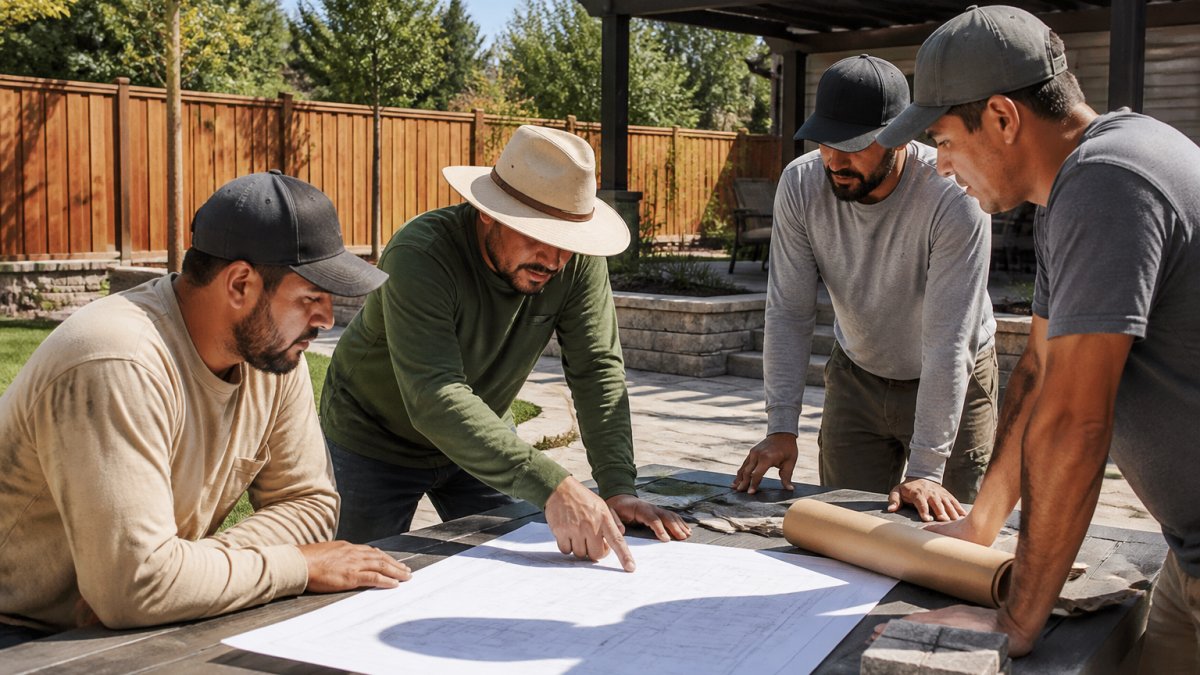
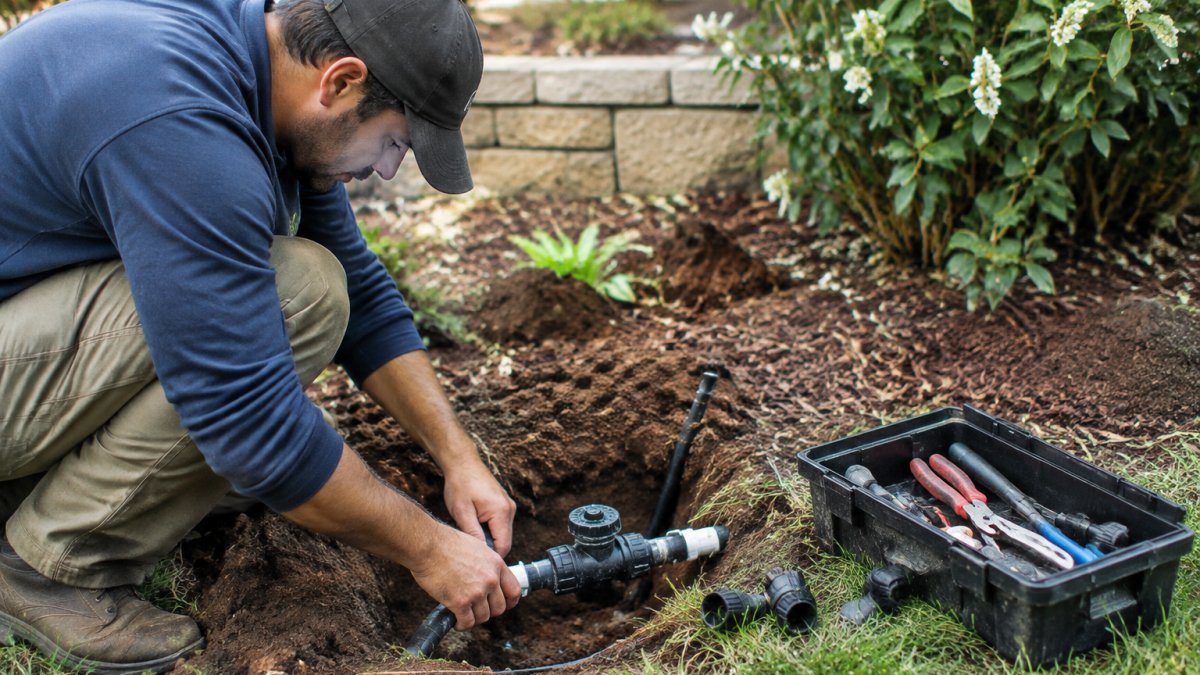
Planning a budget landscape is doable on your own. Grading, drainage, fence lines, and fire-safe clearances are where DIY plans usually go sideways.
Ironside Fence & Landscape has handled custom fencing, hardscaping, irrigation, and fire prevention since 2012. Every photo on our site comes from real completed projects, never stock images.
Get started with Ironside Fence & Landscape and turn your plan into a yard you actually use.
Frequently Asked Questions
What is a realistic budget for landscape design on a budget?
There is no single number, because cost depends on your yard size, what you install, and whether you hire help. A practical approach is to set a total figure first, then split it into phases so you are not paying for everything at once. Spend the most on structural items that are hard to change later, like grading, drainage, paths, and fencing, and save on plants and decor that you can add over time. Get a written quote before committing to any phase.
How can I landscape my yard on a tight budget?
Start with what you already have. Keep healthy trees and shrubs, fix bare spots with mulch, and reuse existing pavers or stone where you can. Choose smaller plant sizes, which cost less than mature specimens and often establish faster. Group plants in odd numbers using the 3-5-7 rule so fewer plants read as a fuller bed. Do the demolition and bed prep yourself if you are able, and hire a professional only for the work that needs permits, drainage knowledge, or heavy equipment.
What are the most affordable plants for landscaping?
Look for easy-growing perennials and groundcovers that suit your sun exposure and soil rather than rare or high-maintenance varieties. Native and climate-adapted plants usually need less water and fewer replacements, which lowers long-term cost. Buy in smaller pot sizes, share divisions with neighbors, and check end-of-season sales. Avoid impulse buys of plants that need shade when your bed is full sun, since replacing them wipes out the savings.
How can I make a small yard look good without spending much?
In a small yard, fewer materials used well beat many materials used poorly. Pick one paving material and one mulch color, repeat them, and let plants do the softening. Add vertical interest with a trellis or a small pergola instead of filling floor space. Use a simple path to guide the eye and hide utilities or storage with fencing or screening. A clear focal point, like a single tree or a bench, makes a compact space feel intentional rather than crowded.