 How-to
How to Handle Rural Property Fire Safety Compliance
Last Updated: November 19, 2026
Quick Summary
Rural property fire safety compliance means meeting the rules set by your county, local fire authority, and state, since no single national code covers rural acreage. Most rural counties require defensible space, reflective address signs, driveway access for fire engines, and burn permits. Call your local fire authority for the written requirements for your parcel.
- Keep tree branches at least 10 feet away from chimneys, per City of Escondido Fire Department guidance.
- Reflective address numbers should be at least 3 inches tall, per Echols County Fire Department rural safety tips.
- Clear brush before the dry season, not during it, and check the burn ban first.
- Work through your compliance checklist once a year, before fire season.
- The USFA statistics page recorded 78 firefighter fatalities in 2026.
Table of Contents
- Local Fire Codes and Regulations: What Actually Applies to Your Land
- Your Rural Property Fire Safety Compliance Checklist
- How to Clear Brush for Fire Prevention on Rural Acreage
- What to Expect During a Rural Property Fire Inspection
- Frequently Asked Questions
Local Fire Codes and Regulations: What Actually Applies to Your Land
Rural property fire safety compliance starts with one question: which rules actually apply to your land? There is no single national code for rural acreage. Your county, local fire authority, and state may all set different requirements, and they can change by district.
That gap trips people up. The USFA analysis of the rural fire problem found that rural fire suppression and prevention face challenges urban rules were never written for. Wider spacing between homes, long driveways, and limited water supply all change the risk picture.
What does apply, in most rural counties:
- Defensible space rules set how far you must clear brush and vegetation from structures.
- Address sign rules require visible, reflective numbers so crews can find you.
- Access rules set driveway width and turnaround space for fire engines.
- Burn permit rules govern open burning and debris piles.
Call your local fire authority and ask for the written requirements for your parcel, since verbal guidance varies by inspector.
Watch out: assuming your neighbor's cleared lot means your property is compliant. Each parcel is inspected on its own.
Your Rural Property Fire Safety Compliance Checklist
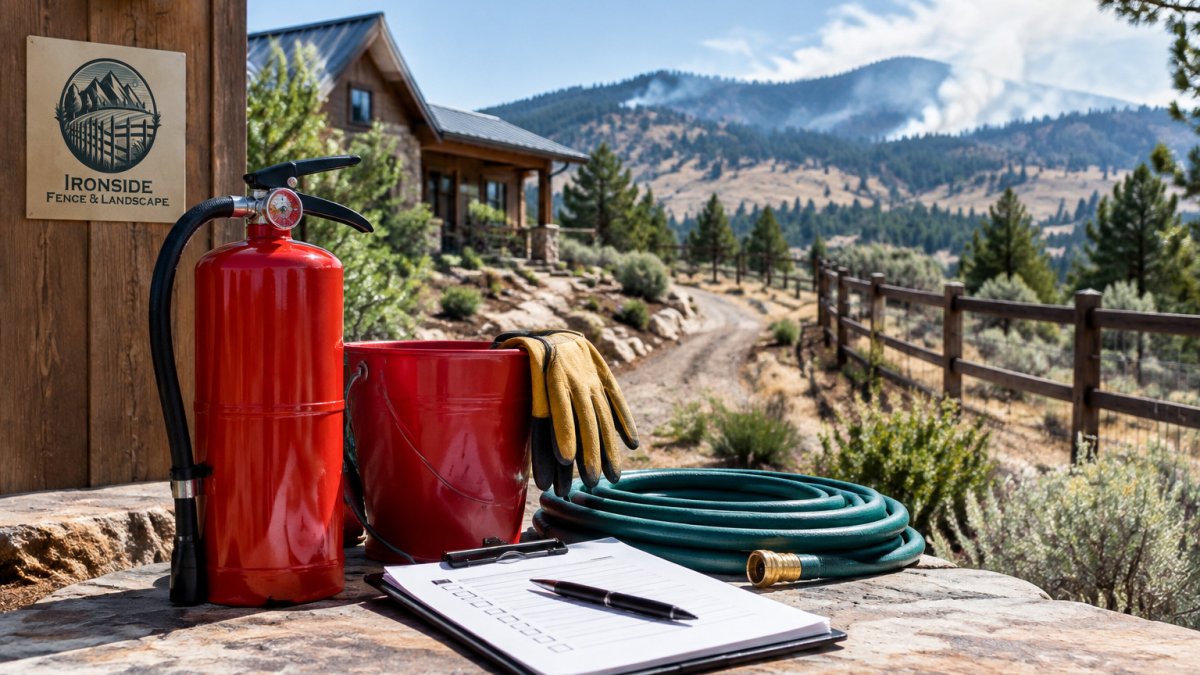
A rural property fire safety compliance checklist keeps you organized and gives an inspector something to review. Work through it once a year, before fire season.
Start with the structure itself. Keep tree branches at least 10 feet away from chimneys, per City of Escondido Fire Department guidance. Then check gutters, the roof, and any vents that could pull embers inside.
Use this checklist:
- Defensible space cleared to the distance your county requires
- Roof and gutters free of needles, leaves, and dead vegetation
- Branches trimmed back from the chimney
- Reflective address sign posted and readable from the road
- Driveway clear and wide enough for a fire engine
- Water supply, hydrant, or tank marked and accessible
- Smoke detectors and fire extinguishers tested
- Propane tanks and fuel cleared of surrounding brush
- Burn permit current, if you burn debris
Ongoing upkeep is where most owners fall behind. Landscape maintenance keeps defensible space from growing back between inspections.
How to Clear Brush for Fire Prevention on Rural Acreage
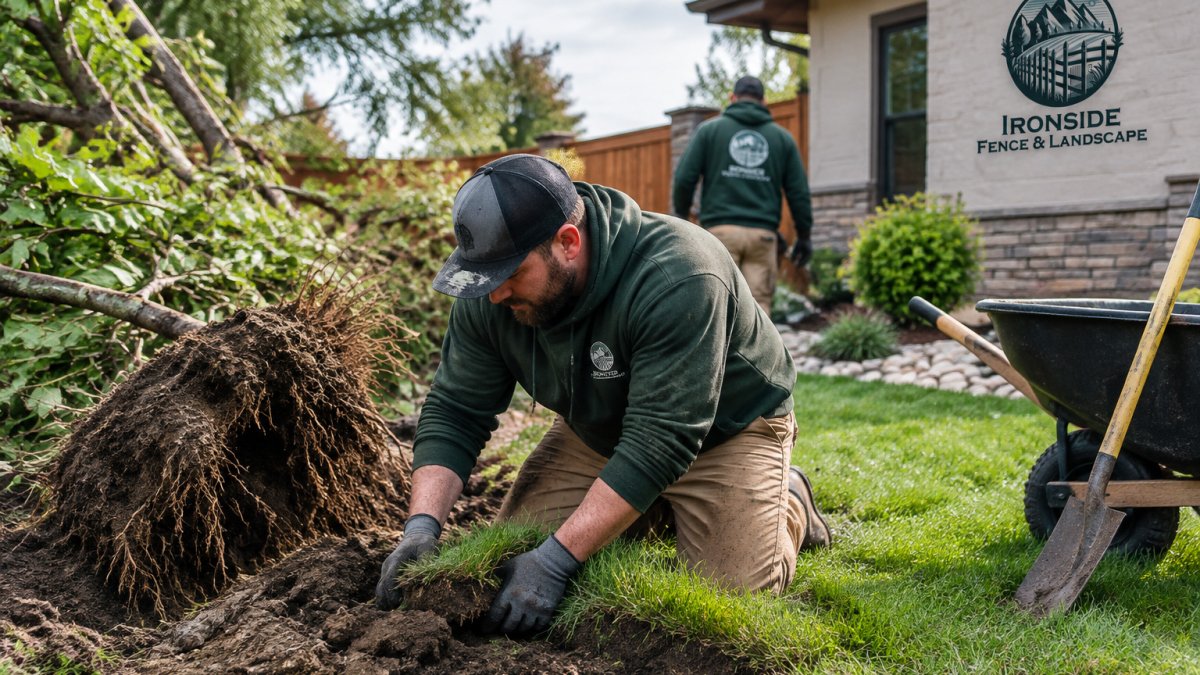
Clearing brush is the most visible part of rural property fire safety compliance, and the easiest to get wrong. The goal is fuel reduction, not a bare lot, break up the path a fire would take.
Work in this order:
- Mow dry grass and low brush in a band around every structure.
- Remove dead vegetation and fallen branches from the ground.
- Thin trees and lift lower limbs so fire cannot climb into the canopy.
- Clear along the driveway so crews have a safe access route.
- Haul off the debris. Piles left on site are fuel.
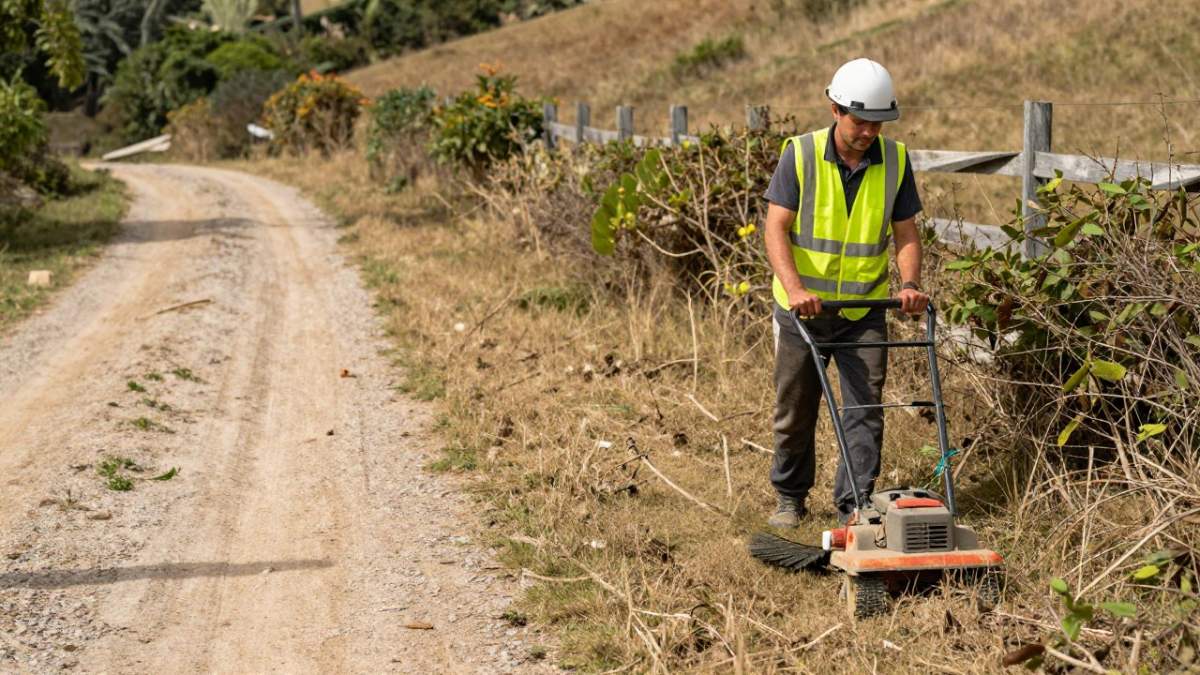
Clear before the dry season, not during it, and check the burn ban before you light anything.
If the acreage is overgrown or access is tight, hand it off. Our dead brush clearing service handles removal and haul-off, and our landscape construction team can rebuild the cleared areas afterward.
What to Expect During a Rural Property Fire Inspection
A rural property fire inspection is usually a walk-through, not a surprise raid. An inspector looks at defensible space, access, address signage, and water supply, then writes up findings.
Here is how to prepare:
- Have your address sign visible from the road. Reflective numbers should be at least 3 inches tall, per Echols County Fire Department rural safety tips.
- Make sure the driveway is passable and the turnaround is clear.
- Know where your water source is and confirm it works.
- Clear the area around propane tanks and outbuildings.
Most findings are minor and fixable. Repeated non-compliance can create further problems over time. Keep your paperwork and note the date of each inspection.
One number worth knowing: the USFA statistics page recorded 78 firefighter fatalities in 2026. Rural access problems make those calls harder. A clear driveway and a visible address help crews help you.
Rural fire compliance is a yearly habit, not a one-time project: clear the brush, check the roof and gutters, keep the address sign readable, and keep the driveway open. If the work is more than you want to take on before fire season, Ironside Fence & Landscape can help. We offer brush clearing and fire prevention services, custom fencing and landscape construction, and emergency service within 24 hours in select areas. We have served property owners since 2012 and hold a California Contractors License. Get started with Ironside Fence & Landscape and get your property safe and compliant before the season turns.
Frequently Asked Questions
What should a rural property fire safety checklist include?
A working checklist covers defensible space, vegetation clearance, and access. Keep tree branches clear of chimneys, clear dry brush and dead vegetation around structures, and post reflective address signs large enough to read from the road so crews can find you. Add roof and gutter cleaning, working smoke detectors, charged extinguishers, and a documented water supply. Review your local fire codes before each season and record every inspection and maintenance task so you can show compliance if asked.
Do rural properties need a fire inspection?
In many areas, yes. Local fire authorities may inspect rural properties for defensible space, vegetation clearance, and emergency access, and requirements vary by jurisdiction. Even where no inspection is mandated, a voluntary rural property fire inspection catches hazards early. Prevention work matters for firefighter safety and property protection. Ask your local fire authority what triggers an inspection and keep records of any work you complete.
Which fire codes apply to a rural property?
There is no single blanket code for rural residential land. Your county or local fire authority sets vegetation clearance and access rules, and state-level wildfire standards may apply in high-risk zones. Start with your local fire authority, confirm which rules apply to your parcel, and get any clearance work documented so you can show compliance.